





Combined Use of Polyhexanide + Poloxamer, EGF, PRF, and NBYT in a Diabetic Burn Wound
Initial Complaint / Baseline Assessment
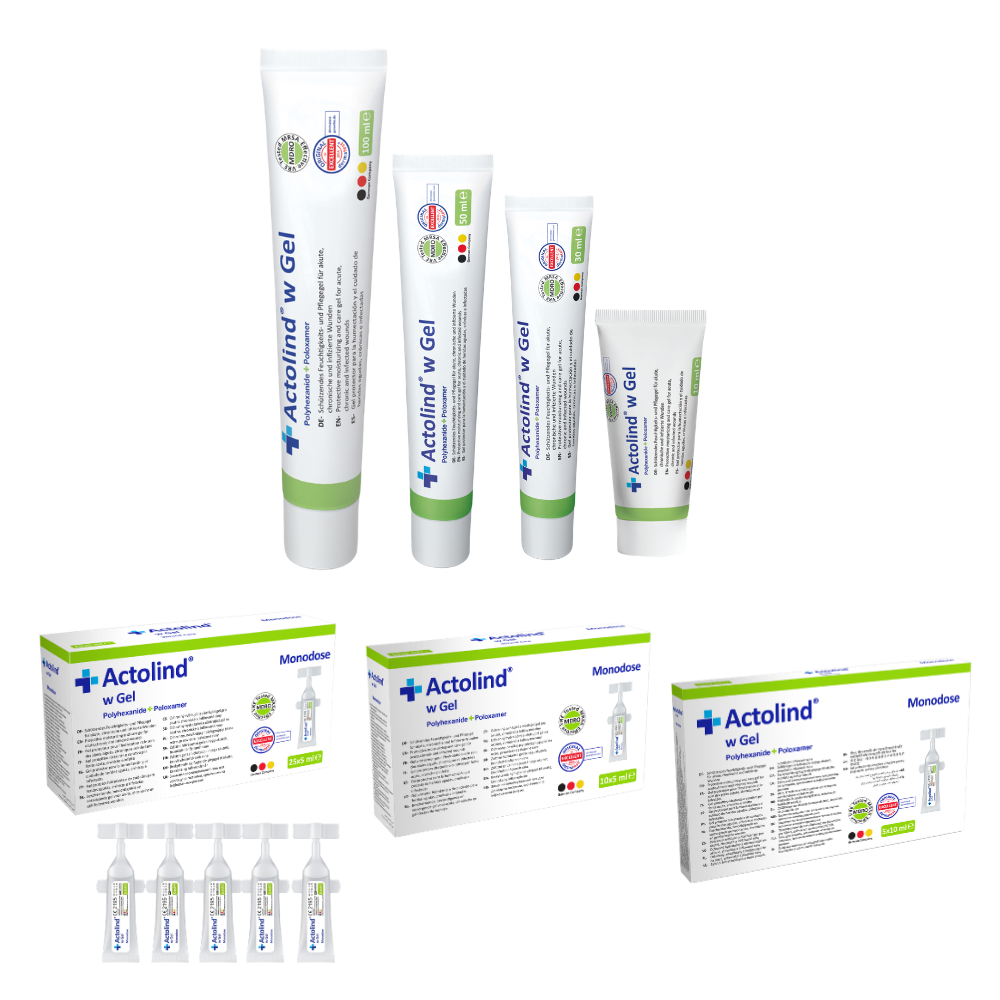
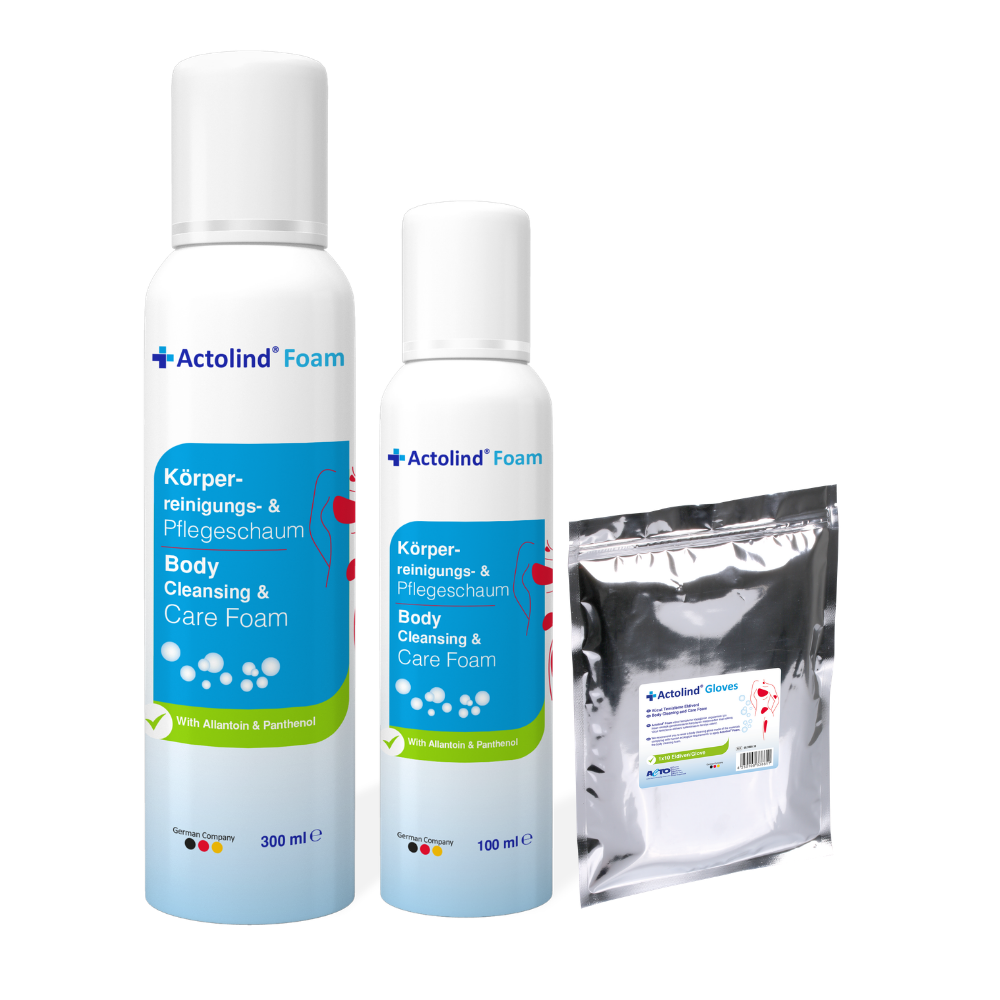
A 53-year-old woman presented with deep third-degree burns of both feet after failing to realize that her feet had been burned while making bread. The patient had a history of DM, HT, and cerebrovascular accident, and blood samples were obtained. No infectious pathology was found in the wound culture or blood results. The patient, whose glucose regulation was impaired, was referred for endocrinology consultation and her medications were adjusted. The wound site was debrided. After being washed with a polyhexanide + poloxamer solution (Actolind® Solution Plus), negative-pressure wound therapy (NPWT) was applied together with EGF (epidermal growth factor—Heberprot®). Dressings were changed every 3 days. NPWT was discontinued on day 12. PRF (plasma-rich fibrin) and a gel containing polyhexanide + poloxamer (Actolind® Gel Plus) were added to the treatment. A total of 8 doses of EGF were administered, and 4 dressings were performed using PRF and polyhexanide + poloxamer gel (Actolind® Gel Plus). At the end of day 24, almost the entire wound was observed to have epithelialized. The patient was discharged with recommendations.
![05-Diabetic-Burn-Wound-with-EGF-PRF-and-NPWT-02[1]-auto-cropped.jpg](https://actopim.com/acto-case-studies/uploads/case-studies/14/d195d7a819b8ac50c872029f1970cb55.jpg)
Identified Case
The wound site was debrided. After being washed with a polyhexanide + poloxamer solution (Actolind® Solution Plus), negative-pressure wound therapy (NPWT) was applied together with EGF (epidermal growth factor—Heberprot®). Dressings were changed every 3 days. NPWT was discontinued on day 12. PRF (plasma-rich fibrin) and a gel containing polyhexanide + poloxamer (Actolind® Gel Plus) were added to the treatment. A total of 8 doses of EGF were administered, and 4 dressings were performed using PRF and polyhexanide + poloxamer gel (Actolind® Gel Plus). At the end of day 24, almost the entire wound was observed to have epithelialized. The patient was discharged with recommendations.
![05-Diabetic-Burn-Wound-with-EGF-PRF-and-NPWT-01[1]-auto-cropped.jpg](https://actopim.com/acto-case-studies/uploads/case-studies/14/d17b06afb2287651a44cb160f6b16439.jpg)
Discussion and Conclusion
In all types of injuries and burns occurring in patients with diabetes, adding EGF to standard treatments in the early period, followed by polyhexanide + poloxamer and PRF added at a later stage, may make it possible to accelerate wound healing and shorten hospital stays by preventing complications.
Healing is difficult in diabetic wounds, and the infection rate is high. By removing barriers to healing and controlling infection, healing in diabetic wounds may proceed normally.
![05-Diabetic-Burn-Wound-with-EGF-PRF-and-NPWT-03[1]-auto-cropped.jpg](https://actopim.com/acto-case-studies/uploads/case-studies/14/7e198ea2dca2ac6e515f512b4414cc7e.jpg)