





Combined Use of Polyhexanide + Poloxamer, EGF, and Resveratrol in a Diabetic Incisional Wound of the Lower Extremity
Initial Complaint / Baseline Assessment
A 66-year-old male patient with diabetes had a necrotic wound along the incision line following vein graft harvesting from the right leg for bypass surgery 2 months earlier. Debridement was performed, and a deep tissue culture was obtained.


Identified Case
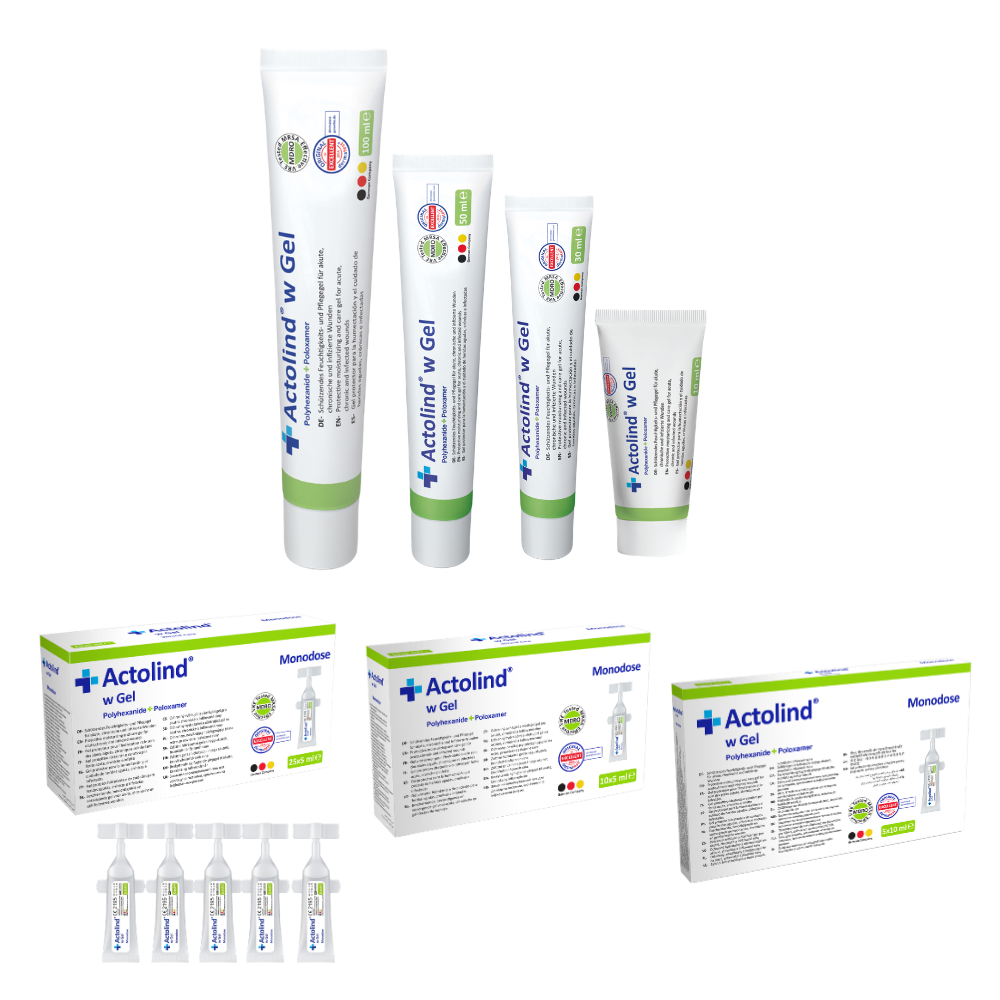
MRSA colonies grew in the wound culture. The wound was left for approximately 5 minutes with gauze moistened with a Polyhexanide + Poloxamer (Actolind® w Solution) solution. The wound was dressed daily with Polyhexanide + Poloxamer gel (Actolind® w Gel). Three days later, a swab wound culture was obtained (Figure 3). After no growth was detected in the culture, a wound dressing containing EGF + resveratrol was used every 3 days. After the second dressing (day 12 after admission), the wound was observed to be completely epithelialized.

Discussion and Conclusion
Wound healing in patients with diabetes takes a long time. During this process, the patient is affected psychologically and physically. We applied this combined treatment protocol to reduce the hospital stay of such patients. There are many systemic and local factors affecting diabetic wound healing. Patient-specific treatment is recommended. In our case, the simultaneous application of Polyhexanide + Poloxamer, resveratrol, and EGF reduced the length of hospital stay and the frequency of dressing changes.


References
- Luciana P, Fernandes A, Sidnei L. Venousulcer: epidemiology, physiopathology, diagnosisandtreatmentInt J Dermatol 2005; 44 (6): 449
- Fremont L: Biologicaleffects of resveratrol. Life Sci 2000;66:663-73
- Cakmak GK, Irkorucu O, Ucan BH, et al: Theeffects of resveratrol on thehealing of leftcolonicanastomosis. J InvestSurg 2009;22:353-61.
- Wadsworth TL, Koop DR: Effects of thewinepolyphenolicsquercetinandresveratrol on pro-inflammatorycytokineexpression in RAW 264.7macrophages. BiochemPharmacol 1999;57:941-9