
'/%3E%3C/svg%3E)

'/%3E%3Cpath%20fill='%23b2b2b2'%20d='M241%20382q0%2016%2017%2026%2017%2011%2042%2011t42-11q16-11%2017-26V269H241'/%3E%3Cpath%20fill='%239f7e00'%20d='M241%20379q0%2014%208%2023%209%209%2021%209%2014%200%2021-9%209-9%209-23V269h-59'/%3E%3Cpath%20d='M241%20339v-70h59v110q0%2014-9%2023l-6%205v-68h-15v72q-8%200-14-4v-68zm59%2040c0%2022%2015%2032%2029%2032%2021%200%2030-18%2030-32v-40h-59'/%3E%3Cpath%20fill='%239f7e00'%20d='M266%20277v5h2v12h-3v-5h2v-5h-9v5h2v5h-4v9h3v18h-5v10h34v-10h-5v-18h3v-9h-4v-5h2v-5h-9v5h2v5h-3v-12h2v-5zm42%20101q0%2010%206%2017%206%206%2015%207%2010-1%2016-7%206-7%206-17v-29h-43'/%3E%3Ccircle%20fill='%230044ad'%20cx='329.5'%20cy='372'%20r='6'/%3E%3Cellipse%20fill='%230044ad'%20cx='300'%20cy='340'%20rx='16'%20ry='21'/%3E%3C/svg%3E)


'/%3E%3C/g%3E%3Cuse%20href='%23c'%20transform='matrix(-1%200%200%201%20720%200)'/%3E%3C/svg%3E)





Electrical Injury with Polyhexanide + Poloxamer
A documented electrical injury case involving wound culture follow-up, Polyhexanide + Poloxamer solution for cleansing, Polyhexanide + Poloxamer gel for daily dressing care and complete epithelialization during clinical follow-up.
Essential Case Information
This overview summarizes the case in a structured format: who, what, where, when, why and how the electrical injury wound care pathway was managed.
The Patient
A 28-year-old male patient who presented with a right arm wound after electrical injury.
The Clinical Problem
An electrical burn injury with an open upper extremity wound and initial wound culture showing bacterial colonization.
The Setting
The case was documented by the Plastic, Reconstructive and Aesthetic Surgery Department, Wound Healing Unit, Kahramanmaraş Sütçü İmam University Faculty of Medicine.
The Timeline
Wound culture was followed after treatment initiation. No growth was reported after one week, granulation was observed at the 14th dressing and complete epithelialization at the 21st dressing.
The Objective
The objective was to manage the electrical injury wound using Polyhexanide + Poloxamer-based cleansing and gel dressing support within a professional wound care plan.
The Care Pathway
The wound was cleansed with Actolind® Solution Plus and daily dressing was continued with Actolind® Gel Plus, with wound culture and tissue progression monitored during follow-up.
Objective
This case presents the use of Polyhexanide + Poloxamer-based wound care products in the management of an open wound following electrical injury. The objective was to support wound cleansing, infection-risk management and tissue progression through structured daily dressing follow-up.
Case Summary
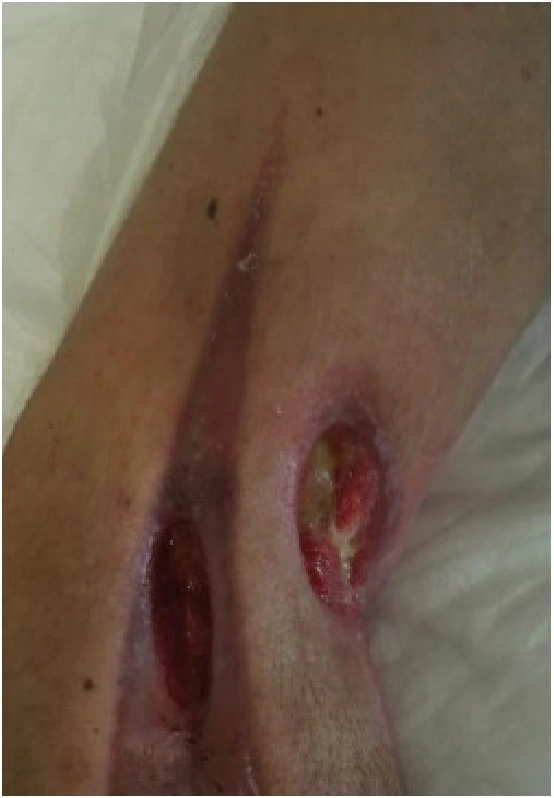
A 28-year-old male patient presented with a wound on the right arm after electrical injury. The patient’s ECG and cardiac enzymes were evaluated through cardiology consultation, and no additional pathology was detected.
Initial wound culture showed growth of Pseudomonas aeruginosa and Pantoea agglomerans. The wound was washed with Polyhexanide + Poloxamer solution, and daily dressing care was continued with Polyhexanide + Poloxamer gel.
Wound Care Method
- The patient was evaluated systemically after electrical injury.
- Cardiology consultation was performed due to the nature of the injury.
- Initial wound culture was taken.
- The wound was washed with Actolind® Solution Plus.
- Daily dressing was continued with Actolind® Gel Plus.
- Repeated wound culture was performed after one week.
- After granulation developed, dressing was continued with paraffin gauze and Actolind® Gel Plus.
- Wound epithelialization was monitored during follow-up.
Clinical Follow-up
After one week of treatment, repeated wound culture showed no growth. At the 14th dressing, complete granulation tissue formation was observed. Dressing care was then continued with paraffin gauze and Polyhexanide + Poloxamer gel.
Outcome
At the 21st dressing, the wound was reported as completely epithelialized. The documented result suggests successful wound progression during structured clinical follow-up.
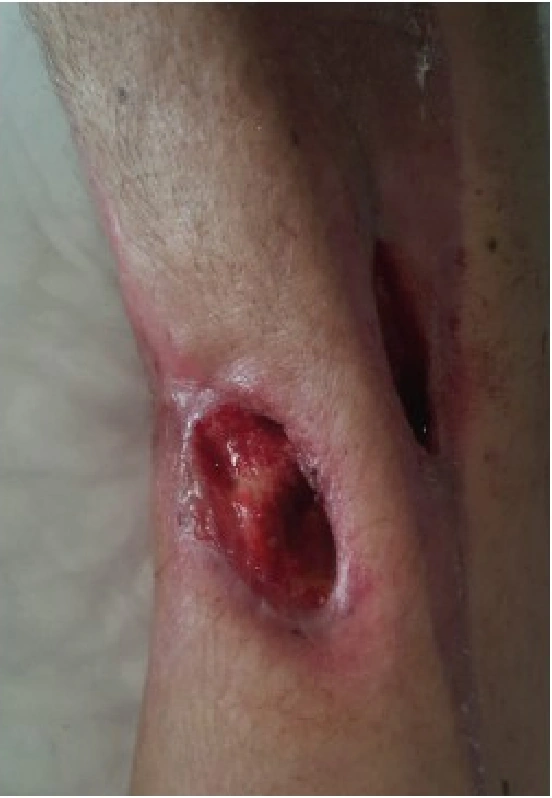
Electrical Injury Image Areas
Use these image fields for the original case visuals. Image paths and labels can be changed from the settings area at the top of this HTML block.
01.04.2022
 06.04.2022
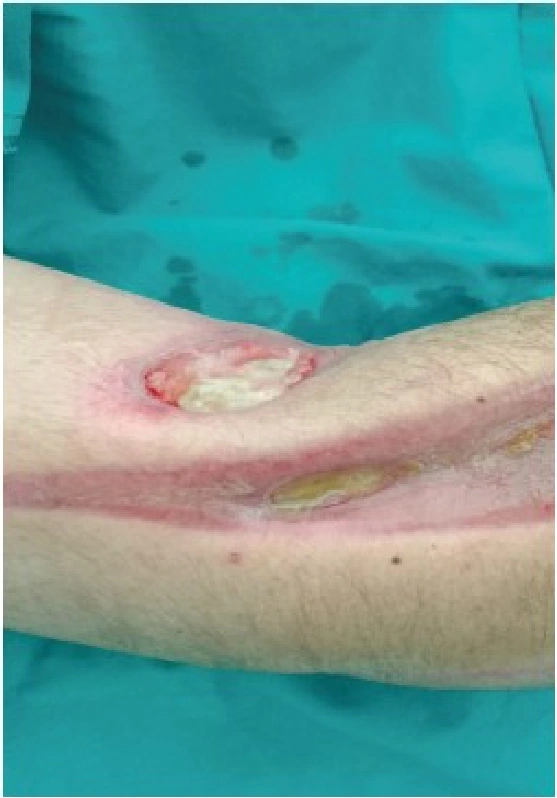 11.04.2022
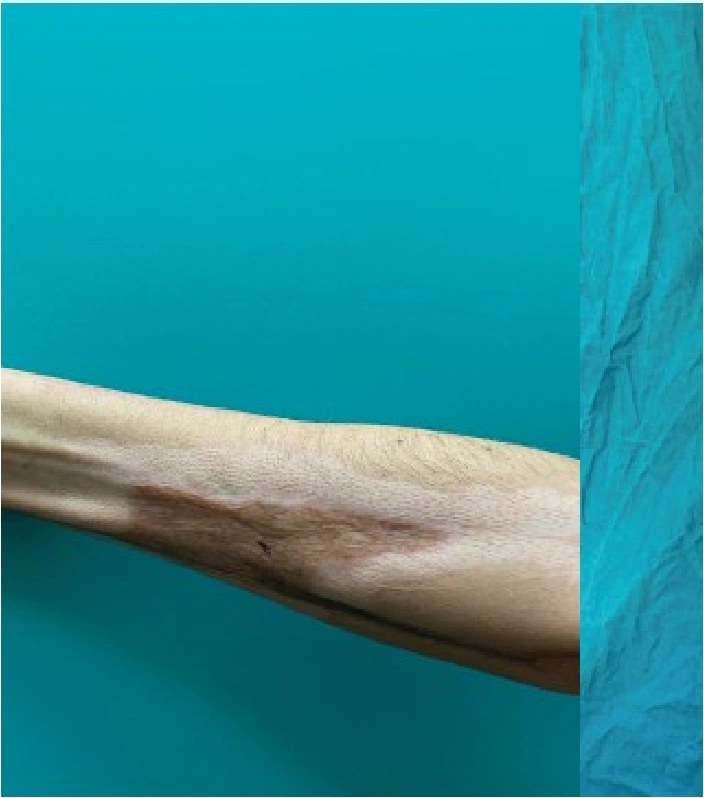 22.04.2022
Documented Follow-up Steps
The timeline below summarizes the reported wound care process and key clinical milestones.
Electrical Injury Assessment
The patient presented with a right arm wound after electrical injury. Cardiology evaluation was performed, and no cardiac pathology was reported.
Initial Wound Culture
Initial culture showed Pseudomonas aeruginosa and Pantoea agglomerans colonies.
Solution and Gel Dressing
The wound was washed with Actolind® Solution Plus and daily dressing was continued with Actolind® Gel Plus.
Repeated Culture
Repeated wound culture after one week showed no growth.
Granulation Tissue
Complete granulation tissue formation was observed at the 14th dressing.
Complete Epithelialization
Complete epithelialization was reported at the 21st dressing.
Outcome Highlights
Explore More Actolind® Clinical Case Resources
Review additional wound care case materials, product information and professional resources prepared for healthcare professionals.
View All Case Studies