
'/%3E%3C/svg%3E)

'/%3E%3Cpath%20fill='%23b2b2b2'%20d='M241%20382q0%2016%2017%2026%2017%2011%2042%2011t42-11q16-11%2017-26V269H241'/%3E%3Cpath%20fill='%239f7e00'%20d='M241%20379q0%2014%208%2023%209%209%2021%209%2014%200%2021-9%209-9%209-23V269h-59'/%3E%3Cpath%20d='M241%20339v-70h59v110q0%2014-9%2023l-6%205v-68h-15v72q-8%200-14-4v-68zm59%2040c0%2022%2015%2032%2029%2032%2021%200%2030-18%2030-32v-40h-59'/%3E%3Cpath%20fill='%239f7e00'%20d='M266%20277v5h2v12h-3v-5h2v-5h-9v5h2v5h-4v9h3v18h-5v10h34v-10h-5v-18h3v-9h-4v-5h2v-5h-9v5h2v5h-3v-12h2v-5zm42%20101q0%2010%206%2017%206%206%2015%207%2010-1%2016-7%206-7%206-17v-29h-43'/%3E%3Ccircle%20fill='%230044ad'%20cx='329.5'%20cy='372'%20r='6'/%3E%3Cellipse%20fill='%230044ad'%20cx='300'%20cy='340'%20rx='16'%20ry='21'/%3E%3C/svg%3E)


'/%3E%3C/g%3E%3Cuse%20href='%23c'%20transform='matrix(-1%200%200%201%20720%200)'/%3E%3C/svg%3E)





Cavity Wound with NPWT and Polyhexanide + Poloxamer
A documented deep cavity wound case involving professional wound assessment, aggressive debridement, Polyhexanide + Poloxamer solution and gel, NPWT, wound culture follow-up and surgical closure after wound bed preparation.

Essential Case Information
This overview summarizes the case in a structured format: who, what, where, when, why and how the burn wound care pathway was managed.
The Patient
A 63-year-old male patient with a deep cavity wound after prolonged intensive care and limited mobility-related wound risk.
The Clinical Problem
A deep cavity wound with exudate, malodor, necrotic tissue burden and infection-risk features requiring structured wound bed preparation.
The Setting
The case belongs to clinical cavity wound and NPWT documentation within Actolind® professional wound care case materials.
The Timeline
After debridement and culture assessment, Polyhexanide + Poloxamer care and NPWT were used until the wound bed became suitable for closure.
The Objective
The objective was to reduce local wound burden, support wound bed preparation, promote granulation and enable safe wound closure.
The Care Pathway
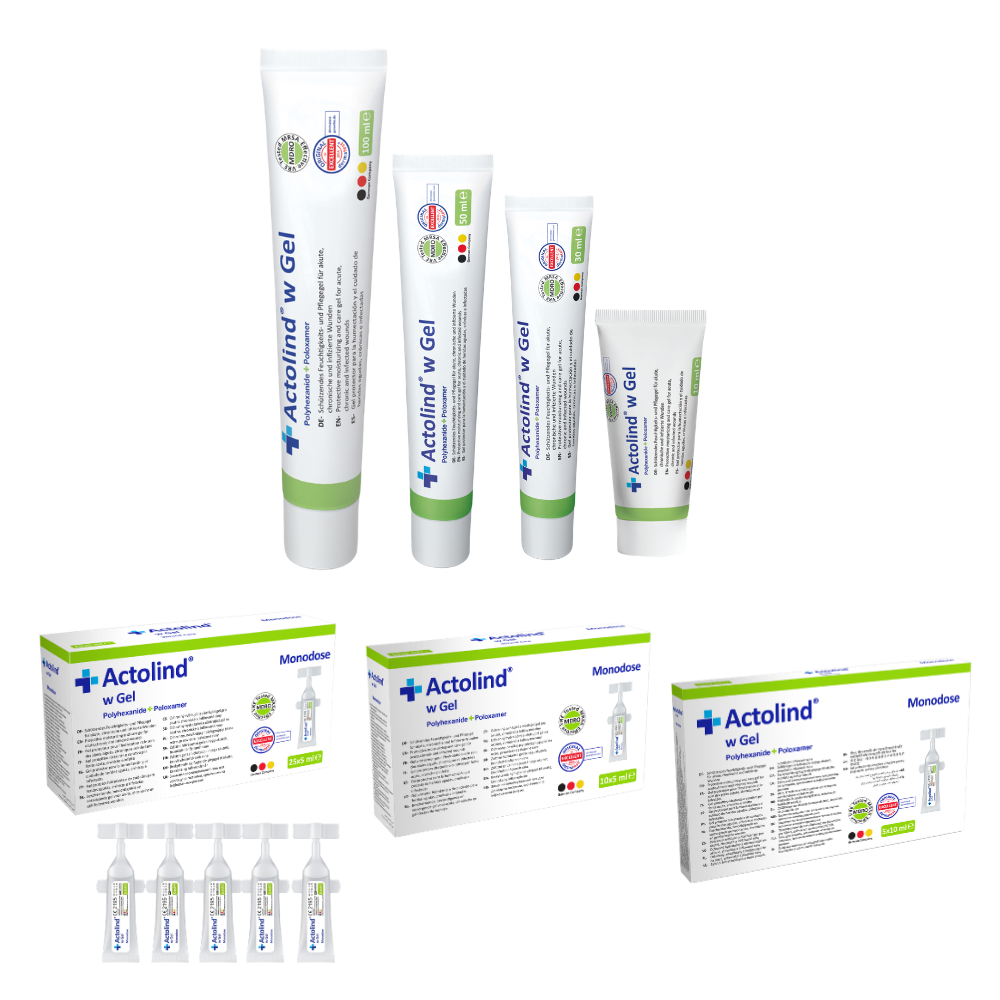
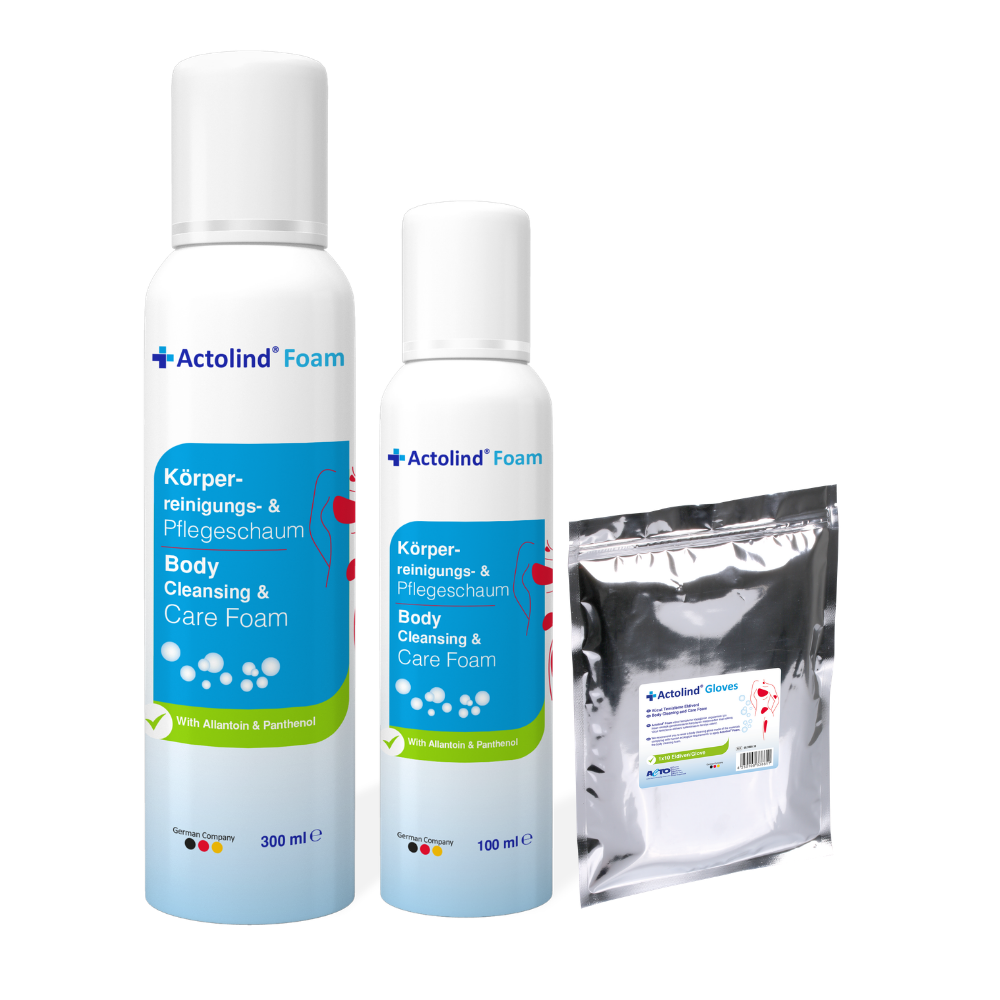
The wound was debrided, cleansed with Actolind® w Solution, supported with Actolind® w Gel and managed with NPWT before closure and suturing.
Objective
This case presents a deep cavity wound management pathway using Polyhexanide + Poloxamer solution and gel together with Negative Pressure Wound Therapy. The objective was to support wound bed preparation, local infection-risk management, granulation tissue development and eventual wound closure.
Case Summary
The documented case involved a 63-year-old male patient with a deep cavity wound following a period of intensive care and limited mobility. The wound presented with challenging local wound conditions, including exudate, malodor and necrotic tissue burden.
Because cavity wounds can hide deeper tissue burden and may be difficult to manage with superficial dressing alone, a structured approach was used. This included debridement, wound culture follow-up, cleansing with Polyhexanide + Poloxamer solution, gel-based wound care support and NPWT.
Wound Care Method
- The cavity wound was clinically assessed before treatment planning.
- Necrotic and non-viable tissue burden was addressed with debridement.
- Wound culture was obtained to support infection-risk evaluation.
- The wound cavity was cleansed or irrigated with Actolind® w Solution.
- Actolind® w Gel was applied to support moist wound bed preparation.
- NPWT was applied to support exudate control, wound contraction and granulation.
- Wound progress and culture status were followed during the treatment period.
- After improved wound bed condition, closure and suturing were performed.
Clinical Follow-up
During follow-up, wound bed quality, exudate level, odor, tissue condition, granulation and cavity contraction were monitored. NPWT was continued as part of the wound care plan until the cavity became suitable for surgical closure.
Outcome
According to the documented case pathway, culture negativity and improved wound bed condition were achieved during follow-up. After wound bed preparation, the cavity wound was closed and sutured.
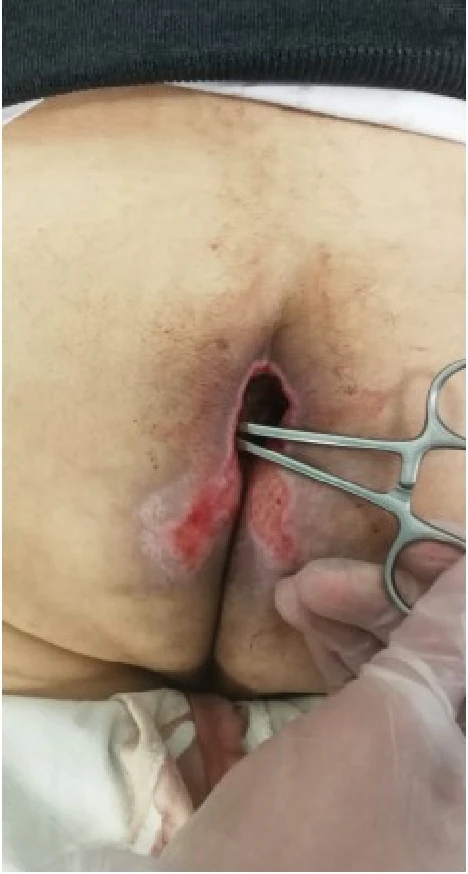
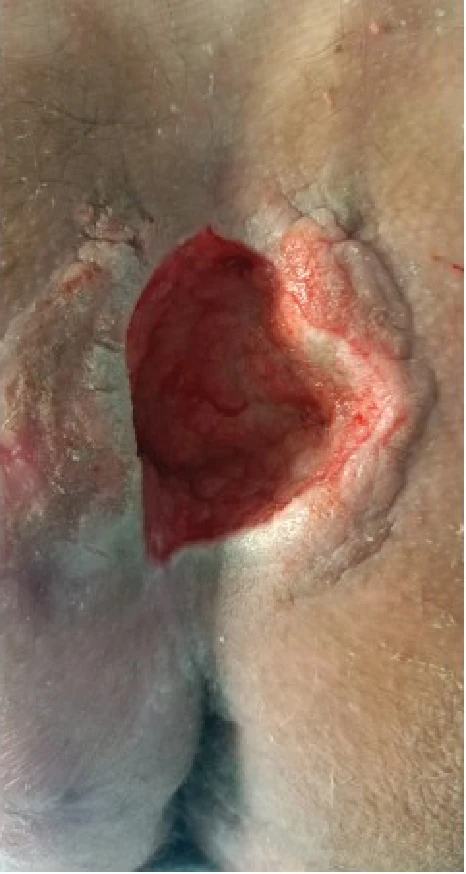
Cavity Wound Image Areas
The clinical photographs below are presented in the date order shown in the supplied case visuals.
 18.02.2022
 22.02.2022
 26.02.2022
 02.03.2022
 06.03.2022
 10.03.2022
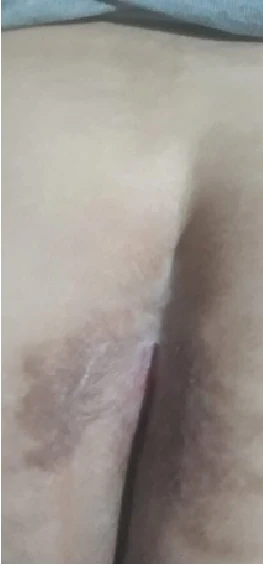 15.04.2022
Documented Follow-up Steps
The timeline below summarizes the practical cavity wound care process and key clinical milestones.
Deep Cavity Wound Assessment
The wound was evaluated as a deep cavity wound with exudate, malodor and necrotic tissue burden.
Wound Bed Preparation
Necrotic and non-viable tissue burden was addressed with debridement to prepare the cavity.
Microbiological Follow-up
Wound culture was obtained and monitored to support infection-risk evaluation during follow-up.
Polyhexanide + Poloxamer Solution
The cavity was cleansed or irrigated with Actolind® w Solution as part of the wound care routine.
Moist Wound Bed Support
Actolind® w Gel was applied to support moist wound bed preparation after cleansing.
Cavity Management
NPWT was used to support exudate management, granulation and contraction of the cavity wound.
Final Wound Closure
After improved wound bed condition and culture follow-up, wound closure and suturing were performed.
Outcome Highlights
Explore More Actolind® Clinical Case Resources
Review additional wound care case materials, product information and professional resources prepared for healthcare professionals.
View All Case Studies