





Burn Care Actolind® Experience
A documented second-degree burn case involving Actolind® solution and gel, professional wound cleansing, debridement when required and structured dressing follow-up over a 10-day period.
Essential Case Information
This overview summarizes the case in a structured format: who, what, where, when, why and how the burn wound care pathway was managed.
The Patient
A 23-year-old male patient who presented with a second-degree burn on the right arm.
The Clinical Problem
A second-degree burn caused by hot water exposure. The patient had received initial intervention at another institution three days before presentation.
The Setting
The case was documented at Medilife Beylikdüzü Surgical Medical Center in Istanbul.
The Timeline
The patient presented on 06 June 2008. The wound was followed for 10 days and documented with initial and follow-up photographs.
The Objective
The objective was to evaluate the use of Actolind® solution and gel as part of professional wound care in a second-degree burn case.
The Care Pathway
The wound was opened appropriately, pre-cleansed with isotonic solution, washed with Actolind® solution, debrided when required and covered with Actolind® gel.
Objective
This case presents the use of Actolind® solution and gel in the professional management of a second-degree burn wound. The aim was to evaluate Actolind® use during wound cleansing, debridement when required and structured dressing follow-up.
Case Summary
A 23-year-old male patient presented to the emergency service on 06 June 2008 with a second-degree burn on the right arm caused by hot water exposure. The patient had received initial intervention at another medical institution three days before presentation.
The patient was followed for 10 days. During this period, the first 4 dressing sessions were performed consecutively, while the remaining sessions were performed every other day. A total of 7 dressing procedures were documented.
Wound Care Method
- The wound was opened appropriately before dressing.
- Initial pre-cleansing was performed with isotonic solution.
- The wound was then washed again with Actolind® solution.
- After washing, separation of non-viable tissue from healthy skin was observed.
- Non-viable tissue was debrided as clinically required.
- Actolind® gel was applied to cover the entire wound area.
- The wound was closed with an appropriate dressing.
Clinical Follow-up
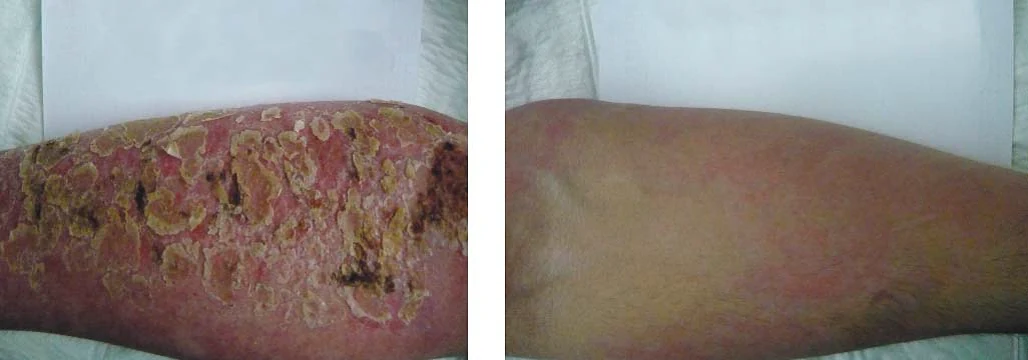
The burn wound was followed during the documented 10-day period. The initial wound appearance and the 10-day follow-up condition were photographed with patient permission in the original case material.
Outcome
According to the original case documentation, complete healing was reported within 10 days. The case was photographically documented with patient permission.
Initial and Follow-up Image Areas
Use these image fields for the original case visuals. Image paths can be changed from the settings area at the top of this HTML block.
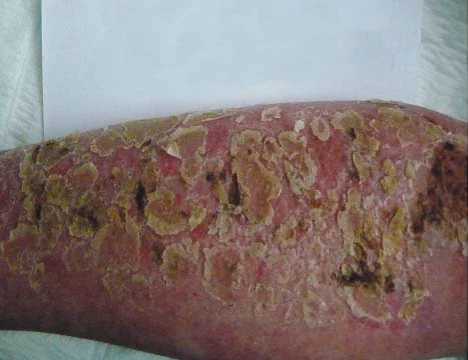 Initial Burn Appearance
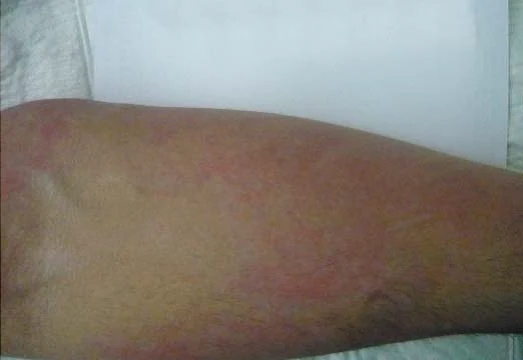 10-Day Follow-up Appearance
Documented Follow-up Steps
The timeline below summarizes the reported wound care process and key follow-up points.
Initial Presentation
The patient presented with a second-degree burn on the right arm caused by hot water exposure.
Consecutive Dressing Period
The first 4 dressing sessions were performed consecutively during the early care period.
Alternate-Day Dressing Care
The remaining dressing procedures were performed every other day according to the case plan.
Total Dressing Applications
A total of 7 dressing sessions were reported during the 10-day follow-up period.
Documented Follow-up Result
The original case documentation reported complete healing within 10 days.
Outcome Highlights
Explore More Actolind® Clinical Case Resources
Review additional wound care case materials, product information and professional resources prepared for healthcare professionals.
View All Case Studies