
'/%3E%3C/svg%3E)

'/%3E%3Cpath%20fill='%23b2b2b2'%20d='M241%20382q0%2016%2017%2026%2017%2011%2042%2011t42-11q16-11%2017-26V269H241'/%3E%3Cpath%20fill='%239f7e00'%20d='M241%20379q0%2014%208%2023%209%209%2021%209%2014%200%2021-9%209-9%209-23V269h-59'/%3E%3Cpath%20d='M241%20339v-70h59v110q0%2014-9%2023l-6%205v-68h-15v72q-8%200-14-4v-68zm59%2040c0%2022%2015%2032%2029%2032%2021%200%2030-18%2030-32v-40h-59'/%3E%3Cpath%20fill='%239f7e00'%20d='M266%20277v5h2v12h-3v-5h2v-5h-9v5h2v5h-4v9h3v18h-5v10h34v-10h-5v-18h3v-9h-4v-5h2v-5h-9v5h2v5h-3v-12h2v-5zm42%20101q0%2010%206%2017%206%206%2015%207%2010-1%2016-7%206-7%206-17v-29h-43'/%3E%3Ccircle%20fill='%230044ad'%20cx='329.5'%20cy='372'%20r='6'/%3E%3Cellipse%20fill='%230044ad'%20cx='300'%20cy='340'%20rx='16'%20ry='21'/%3E%3C/svg%3E)


'/%3E%3C/g%3E%3Cuse%20href='%23c'%20transform='matrix(-1%200%200%201%20720%200)'/%3E%3C/svg%3E)





Second-Degree Burns with Polyhexanide + Poloxamer
A documented second-degree burn case series involving Polyhexanide + Poloxamer solution contact, Polyhexanide + Poloxamer gel, paraffin gauze dressing, scheduled follow-up and complete epithelialization reported within 6–10 days.

Essential Case Information
This overview summarizes the case series in a structured format: who, what, where, when, why and how the second-degree burn wound care pathway was managed.
The Patients
Three documented second-degree burn cases, including a 4-year-old male patient, a 25-year-old female patient and a 15-year-old female patient.
The Clinical Problem
Second-degree burn wounds caused by hot liquid or scald exposure, affecting different anatomical regions including extremities, abdominal region and both feet.
The Setting
The case series belongs to the burn care and Polyhexanide + Poloxamer clinical case documentation within Actolind® professional wound care materials.
The Timeline
Dressing follow-up was performed every 2 days. Complete epithelialization was reported on day 6, day 8 and day 10 across the documented cases.
The Objective
The objective was to support second-degree burn wound care through cleansing, moist wound care support, protection and scheduled follow-up.
The Care Pathway
Actolind® Solution Plus was applied with contact time, followed by paraffin gauze and Actolind® Gel Plus dressing support at scheduled intervals.
Objective
This case series presents the use of Polyhexanide + Poloxamer-based wound care products in second-degree burn wounds. The objective was to support cleansing, wound protection, moist wound care and epithelialization through scheduled dressing follow-up.
Case Summary
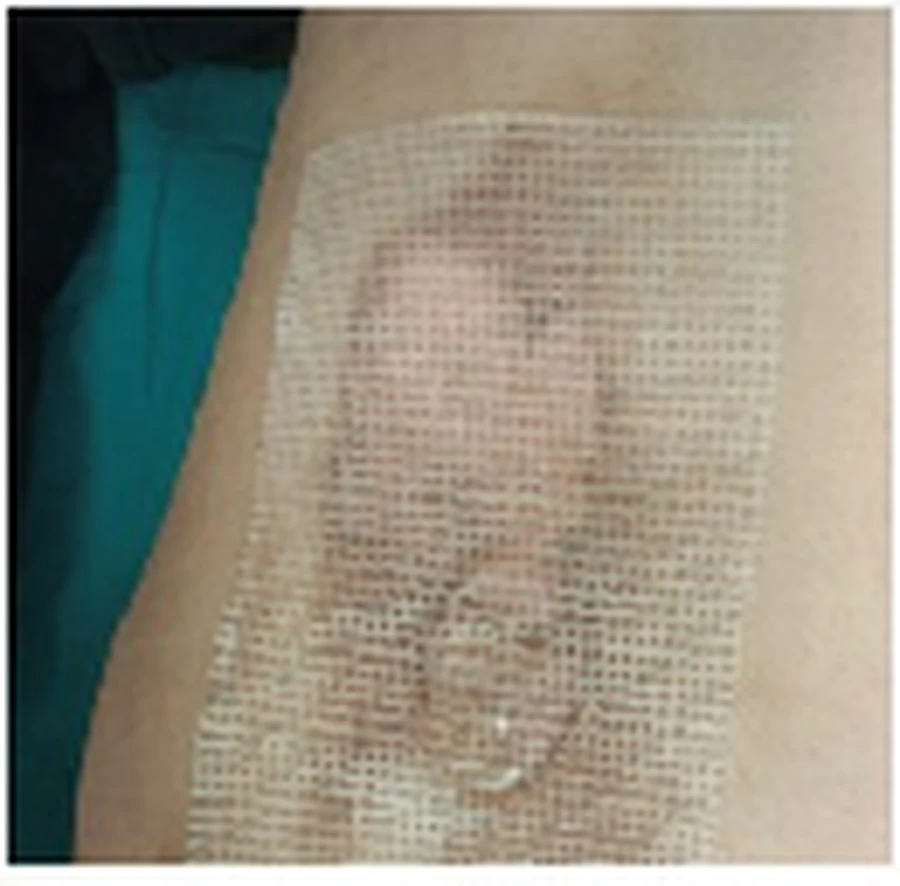
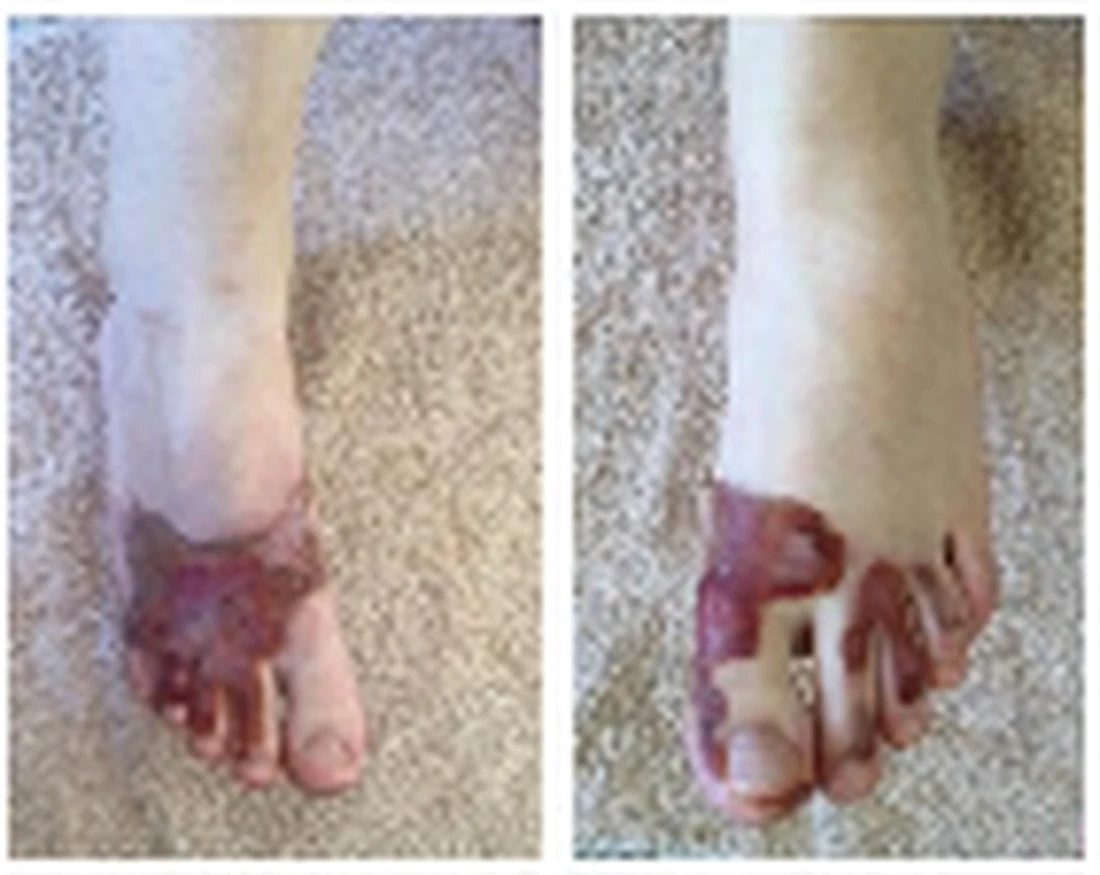
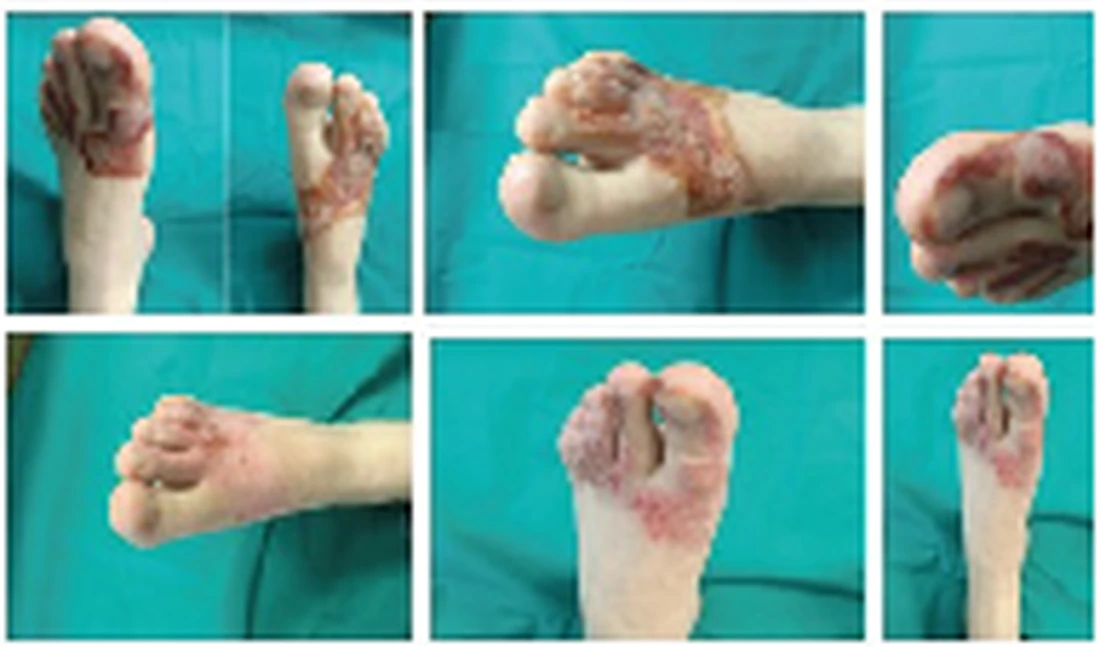
The documented case series included three second-degree burn wounds in different patient profiles and anatomical locations. The cases included a pediatric scald burn, an adult hot-water burn with delayed response to previous care, and an adolescent bilateral foot burn caused by hot liquid exposure.
Across the cases, Actolind® Solution Plus was used with wet gauze contact for 5 minutes. The wound area was then covered with paraffin gauze and Actolind® Gel Plus. Dressing intervals were arranged every 2 days.
Documented Sub-cases
Wound Care Method
- The second-degree burn wound was clinically assessed.
- Actolind® Solution Plus was applied using wet gauze contact for 5 minutes.
- In the bilateral foot burn case, bullae were aspirated while preserving the epidermis.
- Paraffin gauze was used as a protective contact layer.
- Actolind® Gel Plus was applied as topical wound care support.
- Dressings were renewed every 2 days.
- Wound epithelialization was monitored during follow-up.
Clinical Follow-up
The cases were followed with scheduled dressing changes every 2 days. The documented outcomes showed complete epithelialization on day 6 in the first case, day 8 in the second case and day 10 in the third case.
Outcome
Complete epithelialization was reported in all three documented second-degree burn cases. Outcomes should be interpreted according to burn depth, anatomical location, patient age, previous treatment, wound contamination risk and clinical follow-up.
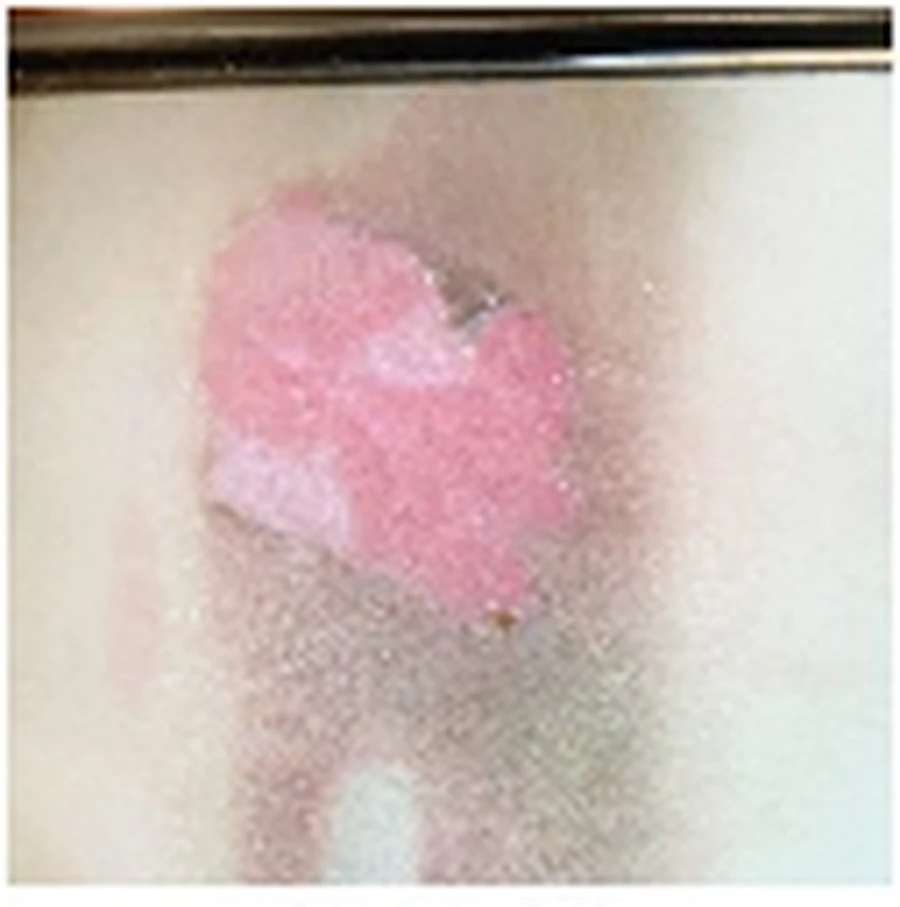
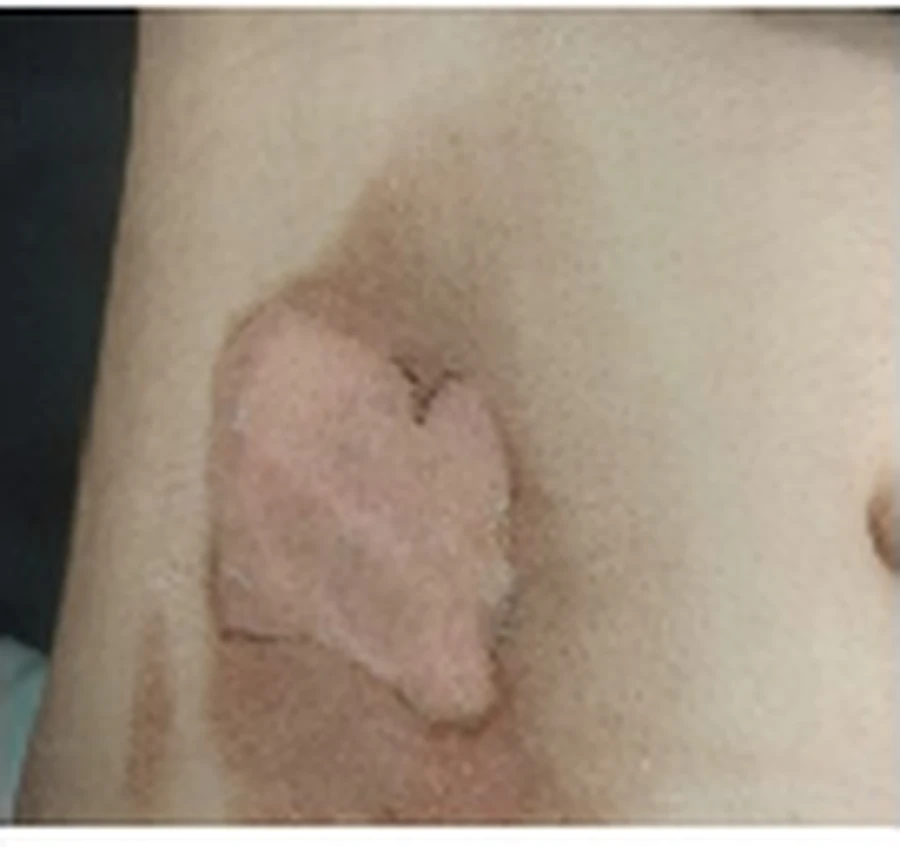
Second-Degree Burn Case Images
The photographs below are extracted from the original clinical presentation and grouped by the three documented sub-cases.
 Clinical View 1
 Clinical View 2
 Clinical View 3
 Clinical View 4
 Clinical View 1
 Clinical View 2
 Clinical View 3
 Clinical View 4
 Clinical Series A
 Clinical Series B
 Clinical Series C
Documented Follow-up Steps
The timeline below summarizes the practical second-degree burn care process and key milestones.
Burn Wound Assessment
The second-degree burn wound was assessed according to patient profile, wound size, burn location and tissue condition.
Solution Contact
Actolind® Solution Plus was applied with wet gauze contact for 5 minutes.
Paraffin Gauze + Gel
The wound was covered with paraffin gauze and Actolind® Gel Plus as topical dressing support.
Scheduled Dressing Renewal
Dressings were renewed every 2 days during the documented follow-up.
Case 1 Epithelialization
Complete epithelialization was reported after the 3rd dressing on day 6.
Case 2 Epithelialization
Complete epithelialization was reported after the 4th dressing on day 8.
Case 3 Epithelialization
Complete epithelialization was reported after the 5th dressing on day 10.
Outcome Highlights
Explore More Actolind® Clinical Case Resources
Review additional wound care case materials, product information and professional resources prepared for healthcare professionals.
View All Case Studies