





Venous Ulcer with Compression and Polyhexanide + Poloxamer
A documented venous ulcer case involving biofilm-covered wound bed debridement, Polyhexanide + Poloxamer solution irrigation, hydrogel application, paraffin gauze and four-layer compression therapy after ABI suitability assessment.
Essential Case Information
This overview summarizes the case in a structured format: who, what, where, when, why and how the venous ulcer care pathway was managed.
The Patient
A 74-year-old male patient who presented with a venous ulcer on the lateral side of the left tibial region after trauma.
The Clinical Problem
A 3 × 2 cm venous ulcer with a biofilm-covered wound bed requiring debridement, cleansing and compression-supported wound management.
The Setting
The case was documented by the Plastic, Reconstructive and Aesthetic Surgery Department, Wound Healing Unit, Kahramanmaraş Sütçü İmam University Faculty of Medicine.
The Timeline
Dressing changes were performed every 3 days for a total of four sessions, with wound progress monitored during follow-up.
The Objective
The objective was to support venous ulcer healing through modern dressing care, Polyhexanide + Poloxamer wound cleansing and compression therapy.
The Care Pathway
The wound bed was debrided and cleaned, irrigated with Polyhexanide + Poloxamer solution, covered with hydrogel and paraffin gauze, then supported with four-layer compression.
Objective
This case presents the use of modern wound dressings and compression therapy together with Polyhexanide + Poloxamer solution and hydrogel in venous ulcer care. The objective was to support wound bed preparation, biofilm management, moisture balance and compression-based venous ulcer management.
Case Summary
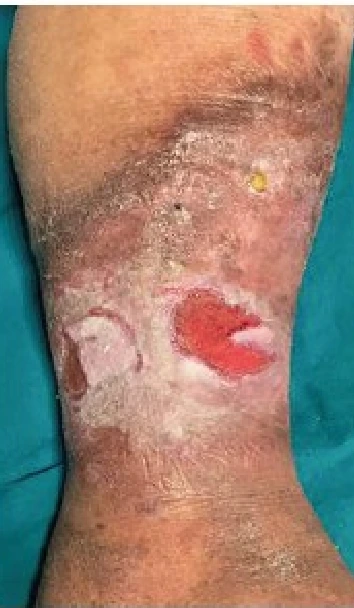
A 74-year-old male patient presented with a 3 × 2 cm venous ulcer located on the lateral side of the left tibial region after trauma. The wound bed was covered with a biofilm layer and required debridement and cleansing before dressing application.
After the wound bed was prepared, the wound was irrigated with Polyhexanide + Poloxamer solution. A hydrogel containing Polyhexanide + Poloxamer was then applied and the wound was covered with paraffin gauze. Since the patient’s ankle-brachial index was normal, four-layer compression bandage therapy was applied.
Wound Care Method
- The wound was evaluated as a venous ulcer after trauma.
- The biofilm-covered wound bed was debrided.
- The wound surface was cleaned after debridement.
- The wound was irrigated with Polyhexanide + Poloxamer solution.
- Polyhexanide + Poloxamer hydrogel was applied to the wound bed.
- Paraffin gauze was used to cover the wound.
- ABI was assessed and reported as normal.
- Four-layer compression bandage was applied.
- Dressing changes were performed every 3 days.
- A total of four dressing sessions were documented.
Clinical Follow-up
During follow-up, dressing changes were performed in 3-day intervals. The combination of wound bed preparation, Polyhexanide + Poloxamer-based dressing support and four-layer compression was used as part of the venous ulcer care pathway.
Outcome
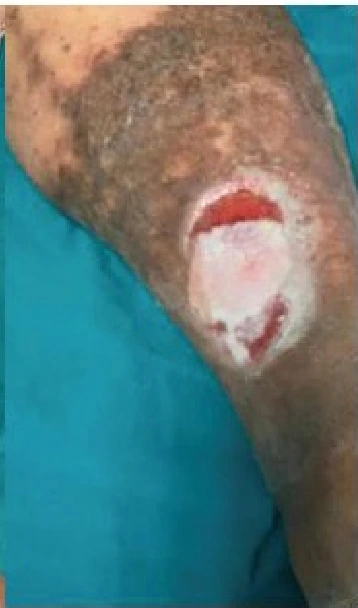
According to the original case documentation, wound size reduction, healthy granulation tissue and partial epithelialization were observed. The patient was discharged with recommendations after the documented treatment sessions.
Venous Ulcer Compression Image Areas
Use these image fields for the original case visuals. Image paths and labels can be changed from the settings area at the top of this HTML block.
Clinical View 1
 Clinical View 2
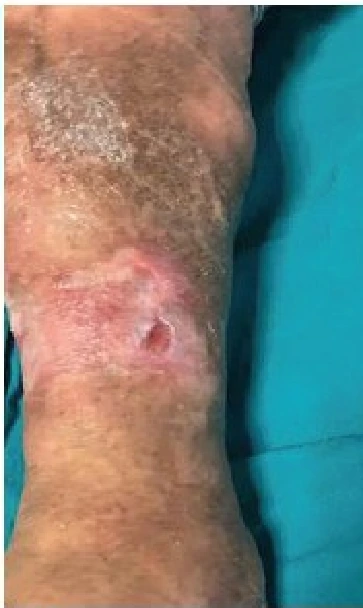 Clinical View 3
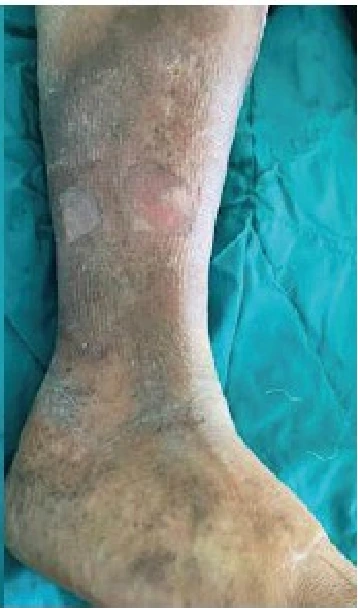 Clinical View 4
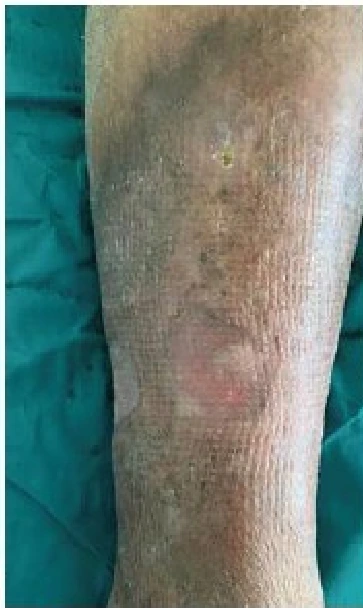 Clinical View 5
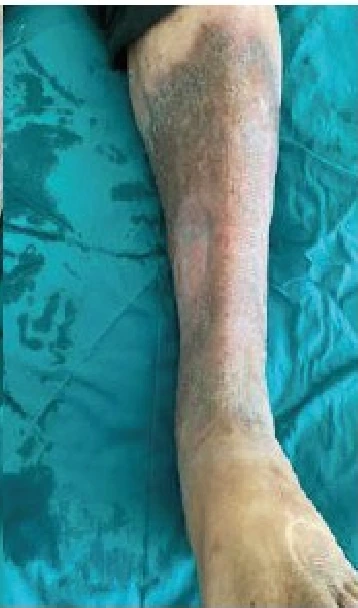 Clinical View 6
Documented Follow-up Steps
The timeline below summarizes the reported wound care process and key clinical milestones.
Venous Ulcer Assessment
A 3 × 2 cm venous ulcer on the lateral side of the left tibial region was evaluated after trauma.
Debridement and Cleansing
The biofilm-covered wound bed was debrided and cleaned before dressing application.
Polyhexanide + Poloxamer Solution
The wound was irrigated with Polyhexanide + Poloxamer solution after wound bed preparation.
Hydrogel and Paraffin Gauze
Polyhexanide + Poloxamer hydrogel was applied and the wound was covered with paraffin gauze.
Compression Suitability
The patient’s ankle-brachial index was reported as normal, supporting four-layer compression.
Dressing Renewal
Dressings were changed every 3 days for a total of four documented sessions.
Granulation and Epithelialization
Wound size reduction, healthy granulation tissue and partial epithelialization were observed.
Outcome Highlights
Explore More Actolind® Clinical Case Resources
Review additional wound care case materials, product information and professional resources prepared for healthcare professionals.
View All Case Studies